
Author: Serge
-
What to Test in a Product Review Before Making a Recommendation
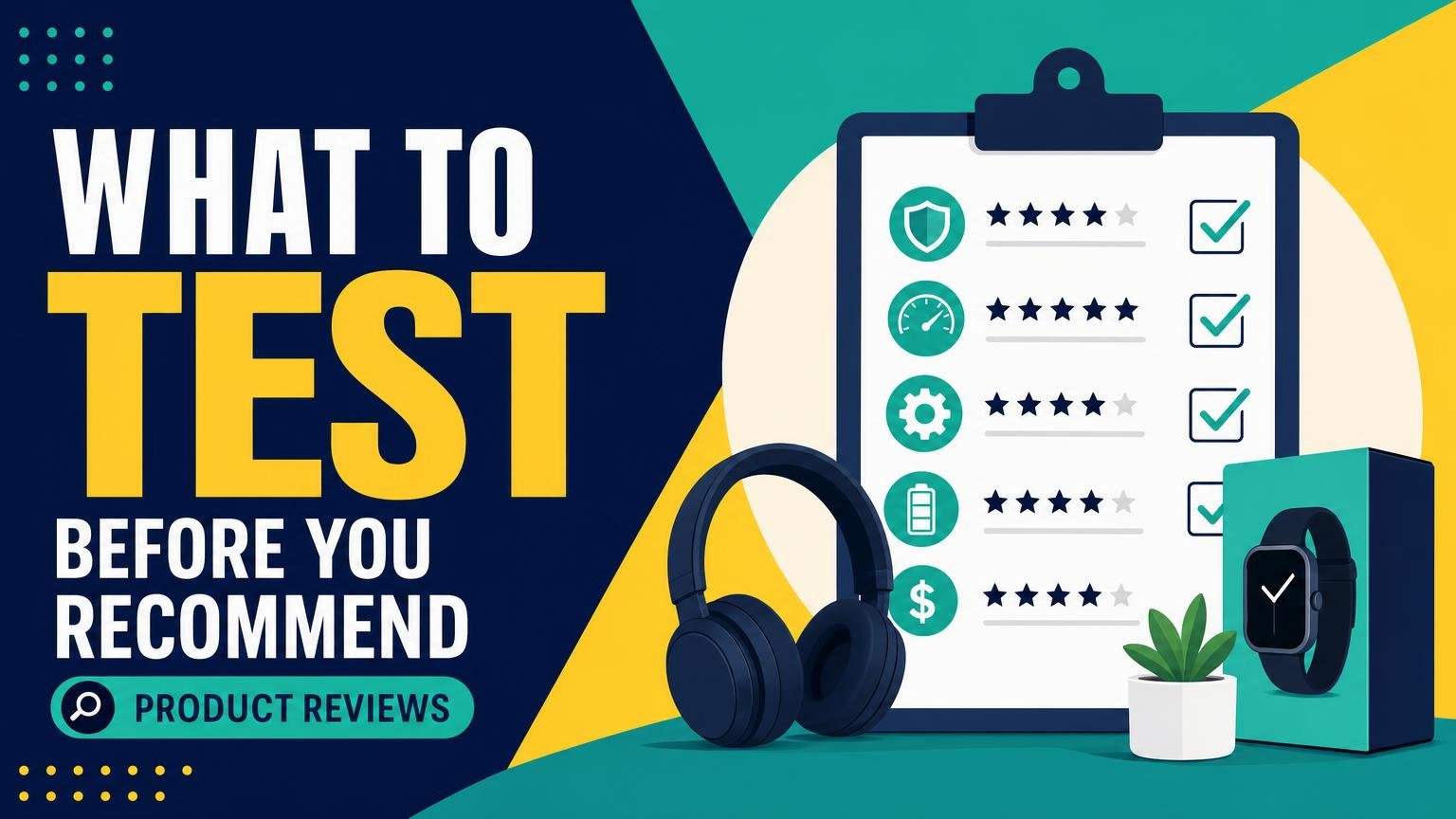
Unboxing and setup reveal costs that a spec sheet cannot: missing adapters, unclear diagrams, account requirements, firmware updates, or a tool that was never mentioned. These details matter most when the product is aimed at casual buyers or is meant to work straight away. Before assembly, record every item in the box and compare it…
-
Can Products Be Reviewed Without Misleading Readers?
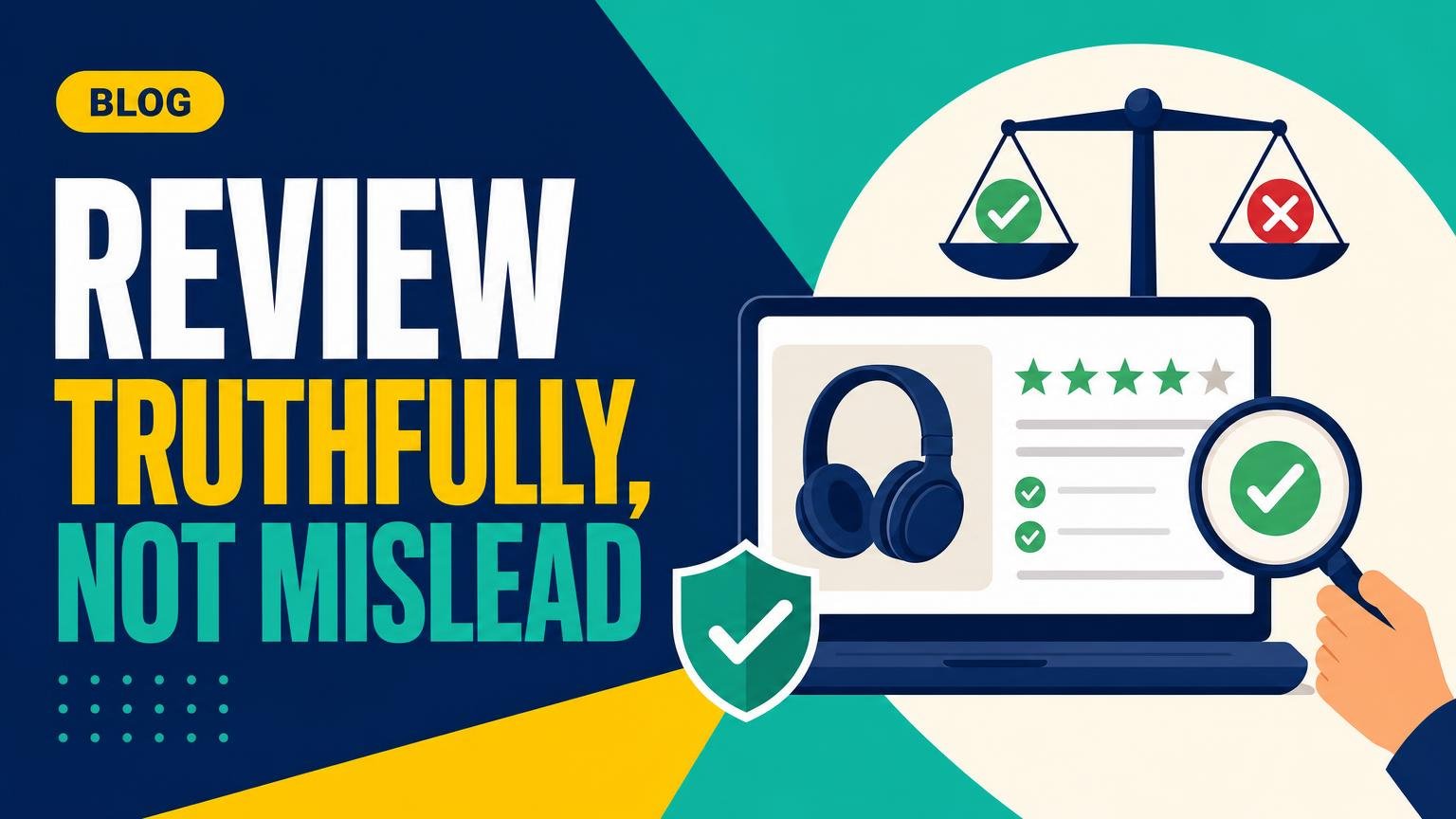
The plain answer is yes—products can be covered responsibly without being used firsthand. Research can compare specifications, prices, manuals, warranty terms, owner reports, and reputable test results. It becomes misleading only when that desk research is written as though it came from personal use. Labels help readers understand what kind of evidence supports a page:…
-
Why a Best Product Roundup Gets Traffic but No Clicks
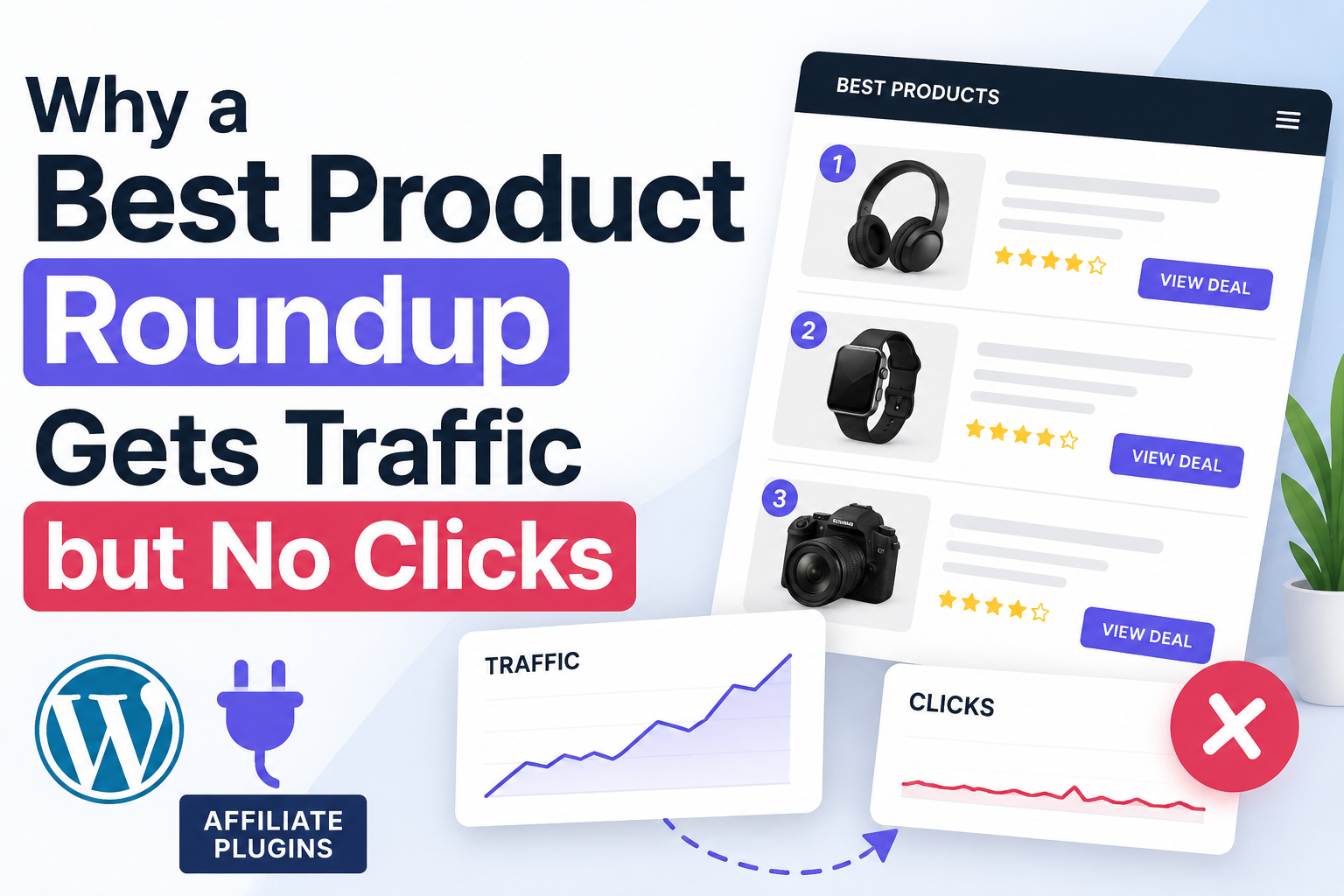
A large share of “best” queries looks commercial on the surface but behaves more like research. The searcher often wants a map of the category first: what matters, which models are comparable, what trade-offs exist, and whether the product type even fits the use case. That changes the expected click pattern. Instead of jumping to…
-
When to Cluster Affiliate Keywords and When to Split Pages
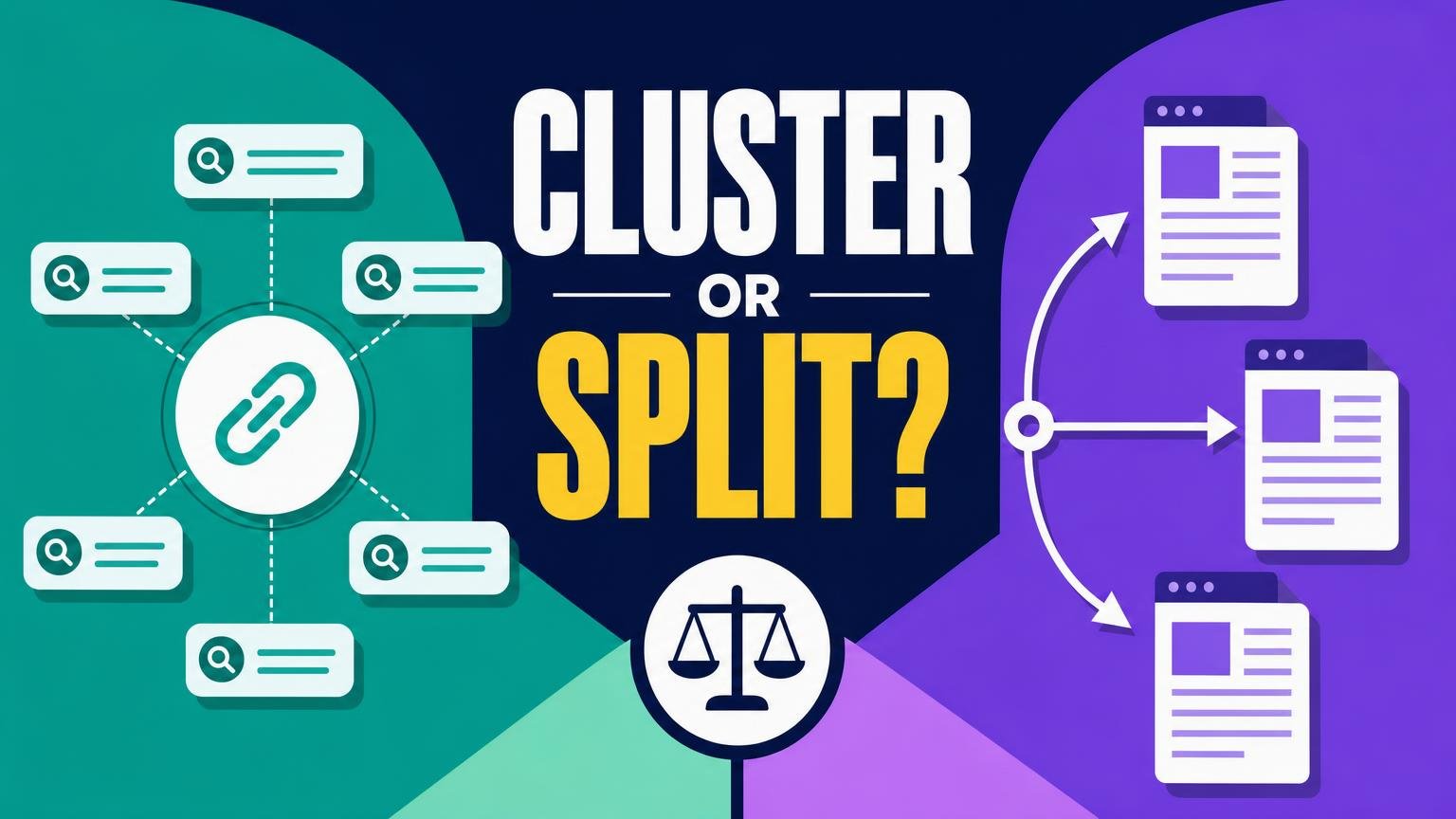
A raw export is easier to judge when each phrase is given a plain-language job. Sort terms first by the product or category named, then add the audience and commercial wording: “for beginners,” “under $50,” “best,” “review,” “vs,” or “near me.” These details often signal a different page need even when the core product matches.…
-

Why Affiliate Comparisons Feel Biased and How to Fix It
A comparison can be slanted in two very different ways. One is genuine bias: criteria are chosen to reward the highest-paying option, weak products are excluded, or serious drawbacks are softened. The other is an opacity problem: the conclusion may be defensible, but the path to it stays invisible. When readers cannot see how scores…
-
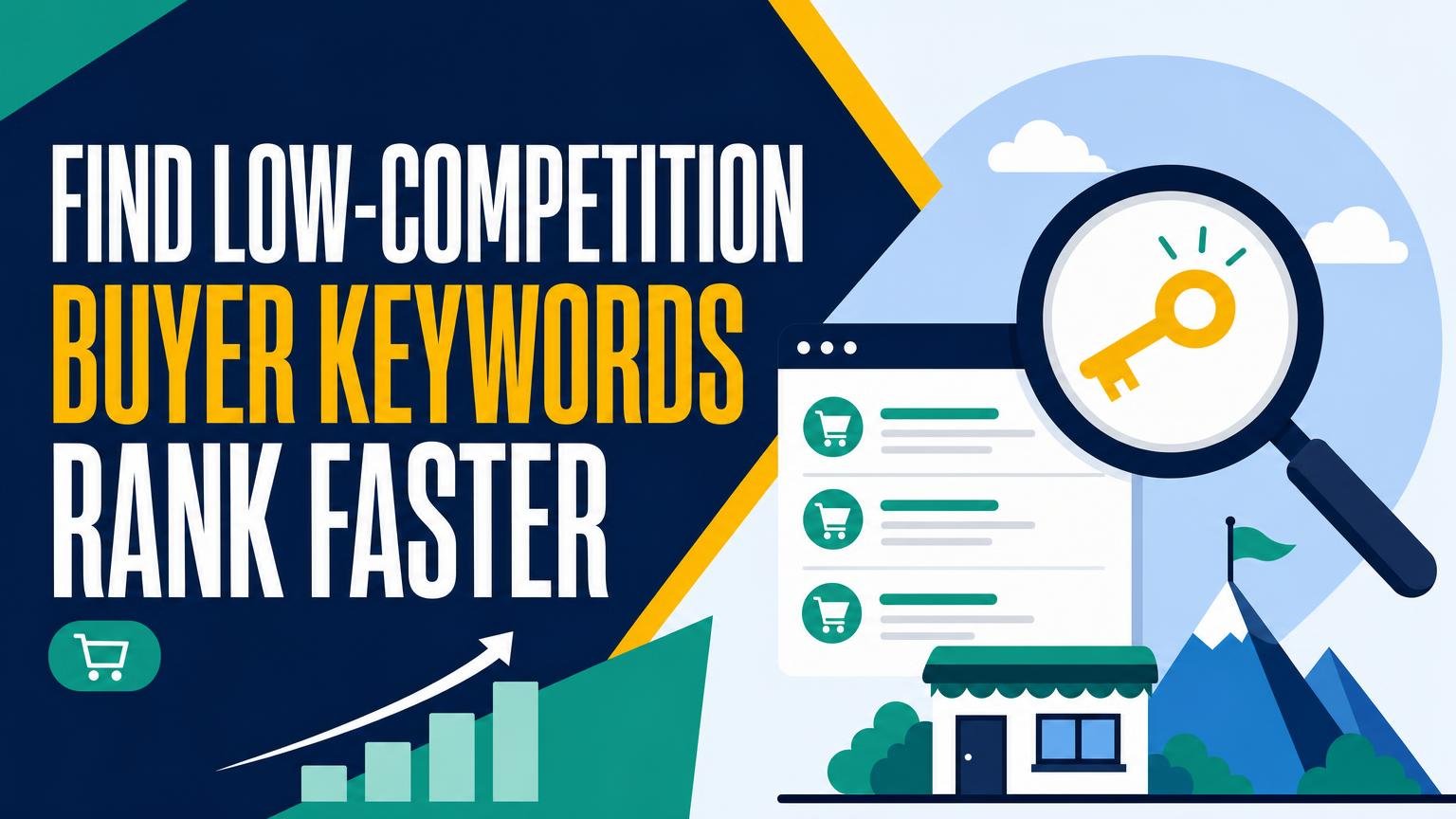
How to Find Low-Competition Buyer Keywords That Smaller Affiliate Sites Can Rank For
A broad query such as “best hiking boots” attracts publishers, major retailers, and established review sites. It can still be worth noting, but it rarely shows the exact problem a shopper is trying to solve. Add words that force a trade-off. Searches such as trail runner vs hiking boot for rocky trails, budget binoculars for…
-

Analyze Affiliate Keyword SERPs Before Chasing a Keyword
Buyer-sounding phrases are not automatic affiliate opportunities. A query such as “best hiking boots” may return comparison articles and retailer category pages, while “hiking boots for wide feet” can lean toward product pages, fit guides, or forum discussions. The result mix—not the phrase alone—shows what Google currently considers useful. Review the first 8–10 organic results…
-
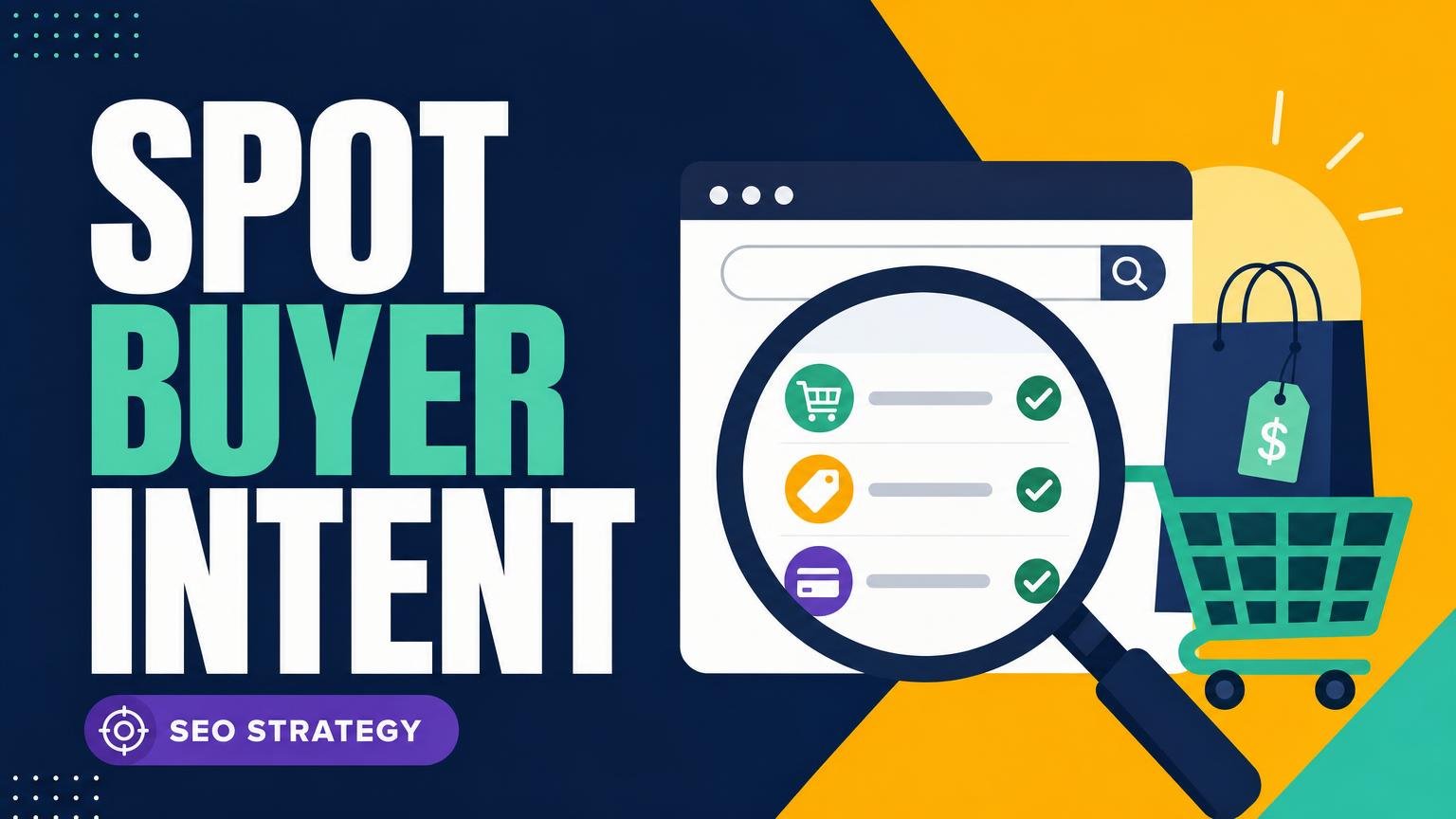
How to Identify Commercial Intent Keywords Before Publishing
Candidate terms often surface when a searcher has moved from learning a category to judging options. Starting with a broad product or problem term, add common decision-oriented modifiers: For example, “email marketing” is broad; “email marketing software for nonprofits pricing” points much closer to an evaluative task. “Asana alternatives” similarly suggests someone is looking at…
-

Selling Affiliate and Own Products in WooCommerce Without Confusion
A partner item should be created as an External/Affiliate product in WooCommerce, not as a simple product with a link hidden in its description. In the Product data panel, select that product type, paste the partner’s supplied tracked URL into Product URL, and give the button an honest label such as “View at retailer” or…

Latest Posts





About the Author

Serge
Serge is an affiliate marketer with 20 years in the field and a WordPress plugin developer. He writes about building, ranking, and monetizing affiliate sites — drawing on tools he’s actually built and used, not just reviewed.
You May Have Missed